
Efficiency is not a one-time project; it is a habit that drifts. Filters clog, weatherstripping compresses, thermostat schedules fall out of date, and the loads that dominate your bill swap from heating to cooling and back. A seasonal checklist keeps the savings you earned from the DIY energy audit and weatherization work instead of letting them quietly leak back out.
Because heating and cooling are the largest energy end uses — about 52% of annual home energy consumption combined — the seasonal items that touch your HVAC system carry the most weight. (Source: U.S. Energy Information Administration, Use of energy in homes.) Everything else is worthwhile, but that is where the savings live.
How to use this checklist
Run the relevant section at the start of each season. Pair the efficiency tasks with your general home maintenance so you handle the envelope and the equipment in one pass. For structural inspection items, cross-reference the seasonal home inspection calendar; this list focuses on energy, not repair diagnosis.
Spring: prepare for cooling
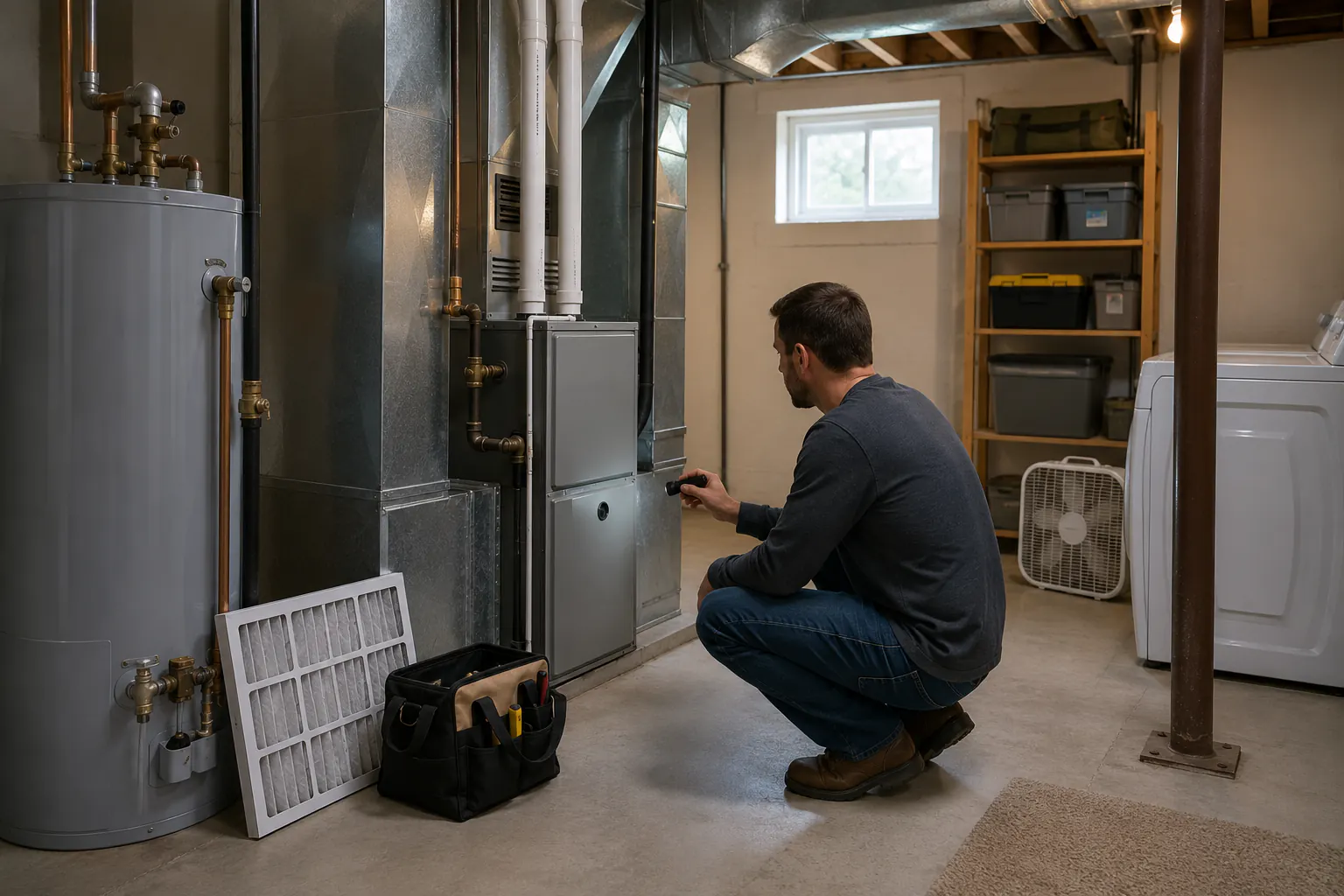
- Inspect HVAC filters through their approved access and follow the filter schedule guide rather than forcing one interval onto every system.
- Schedule cooling-system service before the first heat wave, not during it. The seasonal HVAC checklist separates occupant observations from professional electrical, refrigerant, coil, blower, control, and condensate work.
- Reverse the thermostat strategy for warm weather: higher setpoints, setbacks when away, and daytime shading to reduce solar gain.
- Check and reseal any weatherstripping that compressed over winter, and confirm window-unit AC seals are intact.
- Clear outdoor condenser units of leaves, pollen, and debris so airflow is not restricted.
- Set up fans to feel cooler without lowering the setpoint, remembering fans cool people, not empty rooms.
Summer: manage the cooling peak
- Keep filters fresh — summer is peak load.
- Manage the sun aggressively: close curtains and blinds on sun-facing windows during the day.
- Run heat-generating chores (laundry, dishwasher, oven) in the cooler evening.
- Check refrigerator and freezer door seals and coil dust; they run hardest and longest in summer heat.
- Confirm your outage plan heading into storm and heat-wave season. Review the backup power planning hub and your load-reduction plan so an outage during extreme heat does not catch you unprepared.
Fall: prepare for heating
- Schedule heating-system service and, for fuel-burning systems, a combustion-safety and venting inspection before you rely on them.
- Replace or clean filters and set a heating-season reminder.
- Do a pre-winter draft sweep. Cold weather makes leaks obvious and expensive. Re-run the air-leak checks from detecting air leaks and reseal gaps; reducing drafts can save 5% to 30% per year. (Source: U.S. Department of Energy, Detecting Air Leaks.)
- Reinstall temporary window insulation and door sweeps removed in spring.
- Reverse the thermostat strategy for cold weather: lower setpoints, nighttime setbacks, and open curtains for daytime solar gain.
- Inspect exterior sealing and drainage before storms arrive; pair this with the pre-storm exterior sealing and drainage inspection.
Winter: hold the heat and stay ready
- Keep filters clean — heating is peak load now.
- Verify carbon monoxide and smoke alarms are working; a tighter, heated home makes combustion safety non-negotiable.
- Watch for condensation on windows and cold walls; excess moisture signals a ventilation or insulation issue, not just a nuisance.
- Protect against frozen pipes during cold snaps, especially in unconditioned areas.
- Confirm winter outage readiness: backup power, safe non-electric heat, and a warming-center fallback. A well-sealed home coasts through an outage far longer, which is the resilience payoff of every efficiency task above.
Year-round (any season)
- Water heater: confirm a reasonable temperature setting and insulation on the tank and first feet of pipe. Water heating is part of the roughly 25% of energy use from water heating, lighting, and refrigeration combined. (Source: U.S. Energy Information Administration, Use of energy in homes.)
- Lighting: replace failed bulbs with LEDs, starting with high-use fixtures.
- Standby loads: keep the switch-off habit from the phantom loads guide; new devices creep in over time.
- Re-measure suspects: when a bill jumps unexpectedly, put the likely culprit on a plug-in watt meter.
Common seasonal mistakes that erase savings
Even diligent households lose efficiency to a handful of repeatable errors. Watching for them is as valuable as the checklist itself.
- Forgetting the filter. A filter left in past its schedule is the most common efficiency leak. A dirty filter restricts airflow, forces the blower to work harder, and in cold weather can even contribute to equipment problems. Set a phone reminder tied to the first of each month during peak season.
- Leaving the thermostat on one setting year-round. A schedule optimized for winter wastes energy in summer and vice versa. Reverse your strategy each shoulder season rather than fighting the same setpoint through opposite weather.
- Removing temporary insulation too early or too late. Window film and door sweeps installed in November but left up through a hot summer trap heat; removed in a March cold snap, they cost you comfort and energy. Tie install and removal to the actual season, not the calendar date.
- Cooling or heating empty rooms. Closing vents in rarely used rooms can help with some systems but harm others; know your system before rebalancing. Fans left running in empty rooms simply waste power, because fans cool people, not spaces.
- Skipping service until failure. A furnace or AC that fails on the first extreme day is both an efficiency loss and a safety risk during the season you most need backup. Service before the peak, not during it.
Catching these keeps the gains from your weatherization work from quietly reversing between audits.
Tie the season to your resilience plan
Each seasonal transition is also the right moment to re-check preparedness, because the hazards change with the weather. In spring and summer, the risk is heat and storm-driven outages; in fall and winter, it is cold, frozen pipes, and heating-system carbon monoxide. Align the outage-readiness line in the tracker below with the season’s actual threat: confirm cooling backup and a warming-free plan before summer, and safe heat, pipe protection, and a warming-center fallback before winter. A home kept efficient season to season needs less from its backup system in every one of those events.
A one-page seasonal tracker
| Task | Spring | Summer | Fall | Winter |
|---|---|---|---|---|
| HVAC filter check | Start | Monthly | Start | Monthly |
| Professional HVAC service | Cooling | — | Heating | — |
| Draft / weatherstrip check | Reseal | — | Full sweep | Spot fixes |
| Thermostat strategy | Cooling mode | Tune | Heating mode | Tune |
| Temporary window insulation | Remove | — | Install | Maintain |
| Refrigerator/freezer seals | — | Check | — | — |
| CO / smoke alarm test | Test | Test | Test | Test |
| Outage readiness review | — | Storm/heat | Winter | Confirm |
Print it, stick it inside a cabinet, and check off each season. Efficiency that is maintained keeps paying; efficiency that is forgotten leaks away.
Why the shoulder seasons matter most
Spring and fall — the transitions between heating and cooling — are the highest-leverage moments on the calendar, and the easiest to skip because the weather is mild and nothing feels urgent. That mildness is exactly the opportunity: it is when you can service equipment before it is stressed, reverse the thermostat strategy before the first extreme day, and reinstall or remove seasonal insulation without discomfort. A furnace serviced in October rarely fails in January; a cooling system tuned in April is ready for the first heat wave. Households that treat the shoulder seasons as their real maintenance windows spend the peak months comfortable and efficient, while those who wait for the first cold snap or heat wave end up paying a contractor at the busiest, most expensive time of year — often while the system is already failing.
Return to the home energy efficiency hub to connect these seasonal habits with weatherization, measurement, and backup power.
A checklist tells you what to change; a measurement tells you whether it worked. The home energy monitor comparison covers plug-in and whole-home options for that.
Sources reviewed
- U.S. Department of Energy, Energy Saver: Do-It-Yourself Home Energy Assessments; Detecting Air Leaks
- ENERGY STAR: Heat & Cool Efficiently
- U.S. Energy Information Administration: Use of energy in homes
Sources reviewed July 14, 2026.