
The fastest way to waste a season is to plant the wrong crop for your climate, or a demanding crop that returns little. Choosing well comes down to two questions: what survives where you live, and what gives the most food and value for the space and effort. This is one branch of the home food gardening hub.
Start with your USDA hardiness zone
The USDA Plant Hardiness Zone Map divides the United States into zones by average lowest winter temperature. It is the standard reference for what perennial plants survive your winters and roughly when your growing season runs. (Source: USDA Agricultural Research Service, Plant Hardiness Zone Map.) Find your zone before you choose crops or a planting date.
The zone map is the frame; your local Cooperative Extension fills in the picture with the specific varieties and planting calendar for your county, which no national list can match. (Source: USDA NIFA, Cooperative Extension.) Between the two, you can choose crops that will actually mature where you live.
Favor high-value, forgiving crops
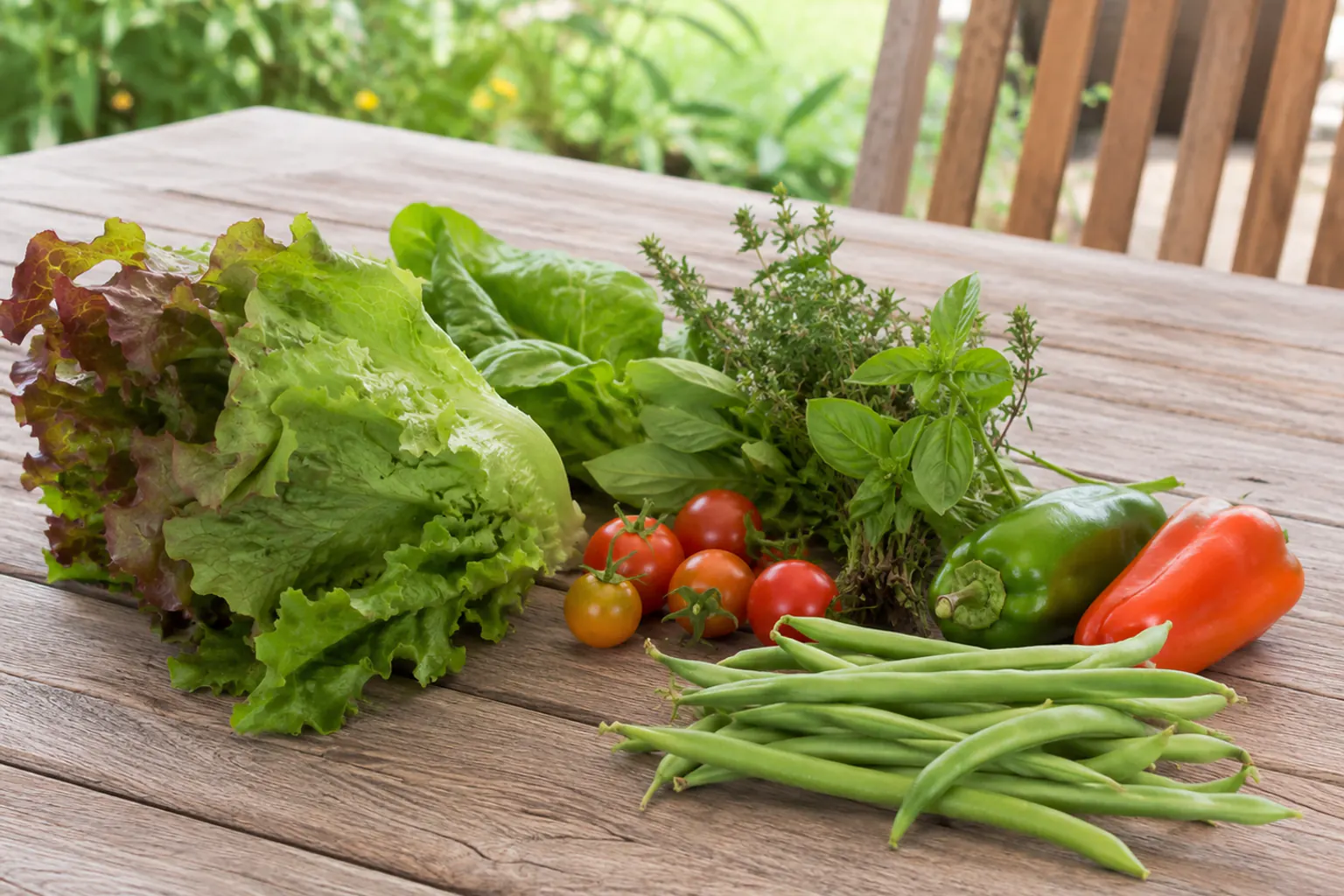
“High value” is not the crop that yields the most pounds — it is the crop that returns the most food, money, or reliability for your space and effort. Beginners get the best results from crops that are forgiving and worthwhile:
- Leafy greens (lettuce, kale, spinach): fast, cut-and-come-again, tolerate partial sun, expensive to buy. Excellent value.
- Herbs (basil, parsley, chives, mint): tiny footprint, high grocery price, keep producing when cut.
- Cherry tomatoes: heavy producers that are far more forgiving than large slicing tomatoes.
- Bush beans: easy, productive, and they improve the soil.
- Zucchini and summer squash: famously productive — often too productive — from a single plant.
- Peppers: reliable in warm zones, high grocery cost.
Be cautious with low-return or demanding crops
Some popular crops give little back for the space and effort, especially for beginners or small plots:
- Corn needs a block of space and many plants for a small harvest — poor value in a small garden.
- Large winter squash and pumpkins sprawl across a bed for one or two fruits.
- Head crops (cauliflower, celery) are fussy and easy to lose.
They are worth growing when you have room and want to; they are not where a first garden earns its keep.
Think in terms of realistic returns
A home garden supplements groceries; it does not replace them. A useful mental model:
- Herbs and greens give the best value per square foot and the fastest reward.
- Fruiting crops (tomatoes, peppers, beans) give real quantity but need sun, time, and space.
- Storage staples (potatoes, dry beans, grains) can feed a household longer — but growing enough to matter takes significant land, experience, and a plan to keep them, which belongs to emergency food storage and food preservation.
No crop list turns a backyard into calorie self-sufficiency in one season. Choose for value and reliability first; the ambitious staples come with land and experience.
Match the crop to your space
- Small yard or first bed: greens, herbs, cherry tomatoes, bush beans.
- Containers or balcony: herbs, greens, one or two compact fruiting crops — see container gardening.
- Room to expand: add squash, peppers, and eventually storage staples once the basics reliably work.
Once the shortlist is set, how to start a food garden covers putting them in the ground, and garden water, soil, and produce safety covers keeping the harvest safe to eat.
Turn the choice into seeds
Once you know your zone and your shortlist, the next step is choosing seeds you can rely on and store — including which crops are worth saving seed from. That belongs to seed selection, storage, and saving basics.
Sources reviewed
- USDA Agricultural Research Service: Plant Hardiness Zone Map
- USDA National Institute of Food and Agriculture: Cooperative Extension
- Centers for Disease Control and Prevention: safer fruits and vegetables
Sources reviewed July 29, 2026. Your USDA zone and local Cooperative Extension control variety and timing decisions for your county.