
After a flood, clear tap water is not proof of safe water. Pressure loss, broken pipes, sewage, surface runoff, fuel, pesticides, damaged wells, and contaminated cisterns can affect water before taste, smell, or color changes.
Use bottled water from a trusted source or another supply identified as safe until the water utility or public-health authority gives the instruction for your system. Read the exact advisory: boil water, do not drink, and do not use are different orders.
Use the water advisory action log to preserve the issuing authority’s exact wording and the filtration and treatment guide to check why a household device is not a universal floodwater solution.
Start with the flood preparedness hub when water safety is one part of a larger evacuation, utility, or recovery decision.
If the water status is uncertain now
Do not use suspect water for:
- drinking;
- cooking or washing food;
- making ice or beverages;
- brushing teeth;
- infant formula;
- washing dishes;
- handwashing when the authority says it is unsuitable;
- medication preparation or medical equipment unless the care instructions approve it;
- pet drinking water.
Use the stored supply from the emergency water storage guide. Follow current local instructions for bathing, laundry, toilet flushing, and cleaning because permitted uses vary with the contaminant and system.
Call 911 or poison control as locally directed for a suspected poisoning or acute exposure. Seek medical advice for illness, especially in infants, older adults, pregnancy, immune suppression, or serious chronic disease.
Identify the exact advisory
Boil-water advisory
This generally addresses germs that can be killed by boiling. Follow the authority’s current time, cooling, storage, and use instructions. CDC’s general emergency guidance says boiling is the best method to kill germs, but the local advisory controls the actual event.
Boiling does not remove every chemical, fuel, pesticide, heavy metal, salt, or toxin. It can concentrate some nonvolatile contaminants as water evaporates.
Do-not-drink advisory
Do not drink or use the water for food and other stated purposes. Boiling may not make it safe. The authority may permit selected non-consumption uses, but only the advisory can define them.
Do-not-use advisory
Avoid all contact and use described by the authority. This can apply when chemicals, toxins, or another hazard make boiling, filtering, skin contact, or vapor exposure inappropriate. Do not run taps merely to inspect the water unless directed.
No formal advisory yet
If floodwater entered the system, pressure was lost, a well was submerged, a cistern connection was open, or water smells like fuel or chemicals, treat it as suspect and contact the utility or health department. Do not wait for discoloration.
Use stored water in priority order
Reserve confirmed drinking-quality water for ingestion, food, infant formula, teeth, medication, and critical hygiene. Track every opened container and prevent cross-contamination at the cap and dispensing surface.
Do not dip hands, cups, or utensils into storage containers. Pour or use a clean spigot. Keep containers away from floodwater, chemicals, fuel, heat, and direct sunlight.
Commercial bottled water can be contaminated if floodwater touched the cap or packaging. Follow public-health discard guidance; wiping the exterior does not necessarily protect the opening.
Treat food exposed to floodwater or unsafe refrigeration as a separate decision. The power-outage food safety guide explains conservative temperature and discard rules; never taste food to test it.
The household water plan should include people, pets, duration, medical needs, and a separate sanitation strategy. Do not ration so severely that dehydration becomes a risk; obtain resupply through official distribution when needed.
Boiling water safely
Use only when the authority says boiling is appropriate for the suspected contamination.
CDC general guidance instructs bringing clear water to a rolling boil for one minute, or three minutes above 6,500 feet, then letting it cool and storing it in clean, sanitized containers with tight covers. If water is cloudy, CDC instructs filtering it first through a clean cloth, paper towel, or coffee filter or allowing it to settle and drawing off clear water before boiling.
Prevent burns. Keep children away, use stable cookware, avoid overfilling, and let water cool without adding ice of uncertain safety. A power outage can make electric boiling unavailable; never use a grill, generator, camp stove, or other combustion device indoors or near openings.
Recheck current CDC and local instructions before any household use. If the source, contamination, advisory, or treatment instruction is uncertain, use a different supply identified as safe and contact the responsible authority.
Household filters have specific limits
A filter’s appearance, price, pore-size label, activated carbon, or marketing term does not establish protection from the actual flood contaminant.
Filters can be designed for selected particles, germs, tastes, chemicals, or combinations. They require correct certification, intact installation, maintenance, flow rate, cartridge condition, and source-water assumptions.
Do not use a camping filter, refrigerator filter, pitcher, faucet filter, reverse-osmosis unit, or purifier as a universal answer. Floodwater can contain contaminants outside its design. Follow the advisory and obtain product-specific verification from the authority and manufacturer.
Discard or service filter elements exposed to contaminated water according to official and manufacturer guidance. Do not send suspect water through household plumbing merely to use a filter when a do-not-use order applies.
Private wells after flooding
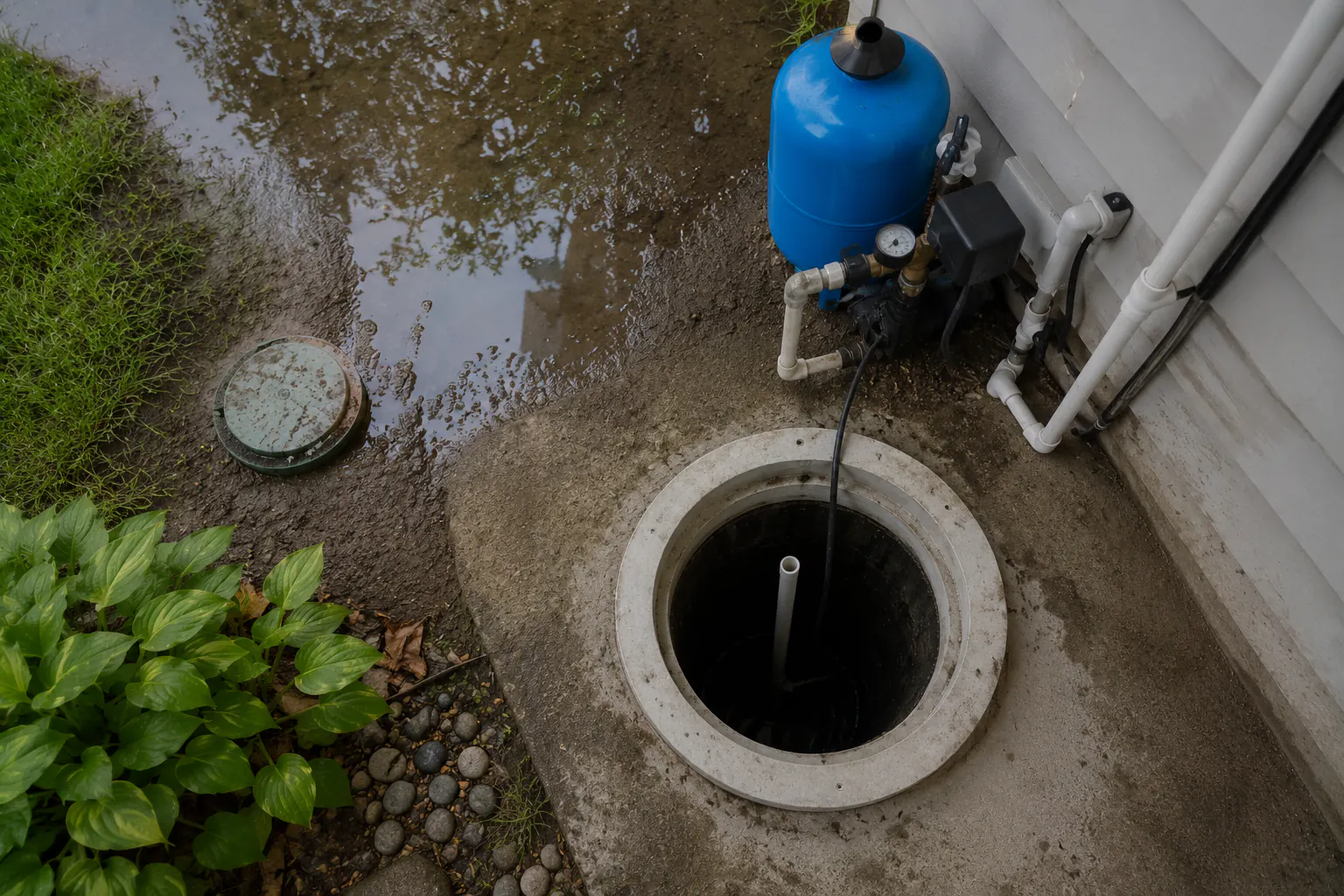
Privately owned wells are not monitored like public water systems. Flooding can damage the casing, cap, piping, electrical system, pump, treatment equipment, and surrounding ground.
If flooding occurred around the well or contamination is suspected:
- Stop using the water for drinking and other sensitive uses.
- Use bottled or another confirmed safe source.
- Keep away from downed lines, debris, open holes, and submerged controls.
- Contact the local or state health department or agriculture extension service.
- Have the well, pump, and electrical system assessed by the qualified professionals they recommend.
- Use a state-certified laboratory and test for contaminants identified by the health authority.
- Resume use only after the required service, disinfection, flushing, testing, and clearance sequence is complete.
Well work may overlap with structural, electrical, sewage, and mold hazards. Use the flooded-home reentry and cleanup checklist before approaching equipment in or near a damaged building.
CDC says working on a well after a disaster can be hazardous and recommends well or pump contractors. Never enter a well pit; gases and vapors can accumulate. Electrical equipment must be checked before power is restored. (Source: CDC, How to Disinfect Wells After an Emergency, updated May 29, 2025.)
Chemical warning
If water smells like fuel or chemicals, or flooding affected nearby fuel, pesticide, waste, industrial, or agricultural sources, contact the health department. CDC states that water contaminated with fuel or toxic chemicals will not be made safe by boiling or disinfection.
Testing is not one generic panel
The health department determines what to test based on local hazards. CDC general well guidance includes total coliforms, nitrates, pH, and total dissolved solids in routine annual testing, with additional germs and chemicals based on location and events.
Use a state-certified laboratory. A home test strip cannot clear a flooded well for all relevant contamination.
Disinfection and retesting
Well disinfection uses system volume, chlorine concentration, contact, plumbing, flushing, and safety steps that must match the well and local guidance. Do not improvise a dose from social media.
CDC’s current emergency-well guidance says to wait at least 7 to 10 days after disinfection before testing so chlorine has been thoroughly flushed, while following health-department instructions. A negative result and official process, not disappearance of chlorine smell, controls return to use.
Cisterns and rainwater systems
Floodwater can enter through lids, overflows, gutters, vents, damaged piping, or surface connections. A cistern may contain treated utility water or untreated catchment water; its construction and normal treatment change the response.
Before an event, maintain covers, screens, overflow protections, first-flush or treatment components, and a separate emergency drinking supply. After flooding, isolate the system and contact the health department or qualified service provider.
Do not assume a large volume dilutes contamination enough to drink. Cleaning and disinfection depend on cistern size, construction, plumbing, source, and contaminant. Chemical contamination may require disposal or specialized remediation rather than chlorination.
Municipal water after pressure loss
Follow the water utility’s map and service-area instructions. Neighboring zones can have different advisories. Apartment residents should confirm whether building tanks, pumps, treatment, and internal plumbing add another step after the utility clears the street system.
When an advisory is lifted, follow flushing, ice, filter, appliance, and water-heater instructions exactly. Discard ice made during the unsafe period. Service refrigerators, fountains, softeners, and treatment equipment according to the utility and manufacturer.
Do not use hot-water tanks, boilers, radiators, toilet tanks with cleaners, pool or spa water, or floodwater as drinking sources unless an authoritative emergency instruction specifically establishes a safe use.
Infant formula and medical needs
Use ready-to-feed formula when public-health and clinical guidance recommends it and it is appropriate for the infant. If powdered formula is used, prepare it only with water and a process approved by the health authority and pediatric care guidance.
Do not dilute formula or substitute homemade mixtures. Sterilization, bottle cleaning, and storage also require safe water.
People using dialysis, feeding tubes, humidifiers, wound care, CPAP humidification, or other medical equipment need device and care-team instructions. “Potable” does not automatically mean appropriate for every medical use.
Pets and livestock
Provide the same confirmed-safe drinking source for household pets unless veterinary or public-health guidance says otherwise. Do not let animals drink from floodwater, puddles, contaminated bowls, toilets under advisory, pools, or outdoor containers.
Livestock water volume and contamination decisions require agricultural extension, veterinary, and environmental guidance. Keep animals away from chemical releases and damaged wells.
Track the water decision
Maintain a simple log:
| Time | Authority and advisory | Allowed uses | Supply opened | Well/cistern action | Next update |
|---|---|---|---|---|---|
| Event entry | Exact named source | Written from advisory | Container ID | Service/test status | Scheduled time |
Record screenshots or downloaded notices for household reference, but continue checking the live authority. Note when containers are opened, when filters are changed, and when laboratory samples and results occur.
Keep laboratory invoices, service records, photographs, advisory notices, and discarded-equipment details with the flood damage insurance record, without delaying urgent health protection.
Return-to-use checklist
Do not resume normal use until all applicable items are true:
- The responsible authority lifted or changed the advisory for the exact system and zone.
- Required flushing and appliance steps are complete.
- Unsafe ice and exposed products are discarded.
- Private well or cistern inspection, service, disinfection, and testing are complete.
- Chemical contamination has been ruled out or resolved by the responsible authority.
- Filters and treatment equipment are replaced or serviced as directed.
- Medical and infant uses follow their more specific guidance.
Safe water after a flood is a verified status, not a visual judgment. When the contaminant is unknown, use a known-safe source and wait for evidence.
Sources reviewed
- CDC: How to Make Water Safe in an Emergency
- CDC: Safety Guidelines for Reentering a Flooded Home
- CDC: How to Disinfect Wells After an Emergency
- CDC: Guidelines for Testing Well Water
- CDC: Cistern Safety and Disasters
Sources reviewed July 14, 2026. Flooded wells, cisterns, pumps, controls, and unknown contamination require current public-health and qualified professional guidance; boiling, disinfection, or a household filter is not a universal release decision.